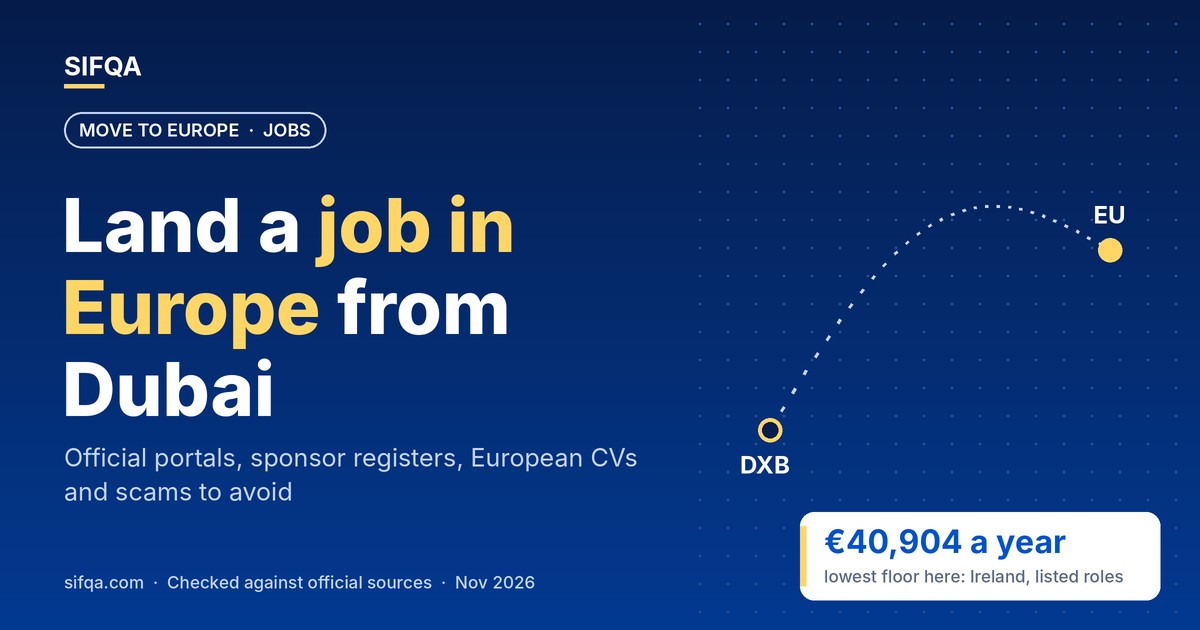
To find a job in Europe from the UAE, target employers that can actually sponsor a work permit, in occupations Europe is short of, at a salary above the visa threshold. Search the official portals (EURES, Make it in Germany, the German Federal Employment Agency’s job board), the employers on the Netherlands’ IND recognised sponsor register, and roles on Ireland’s Critical Skills list. Most hiring is done by video interview, and no real employer charges you for a job offer.
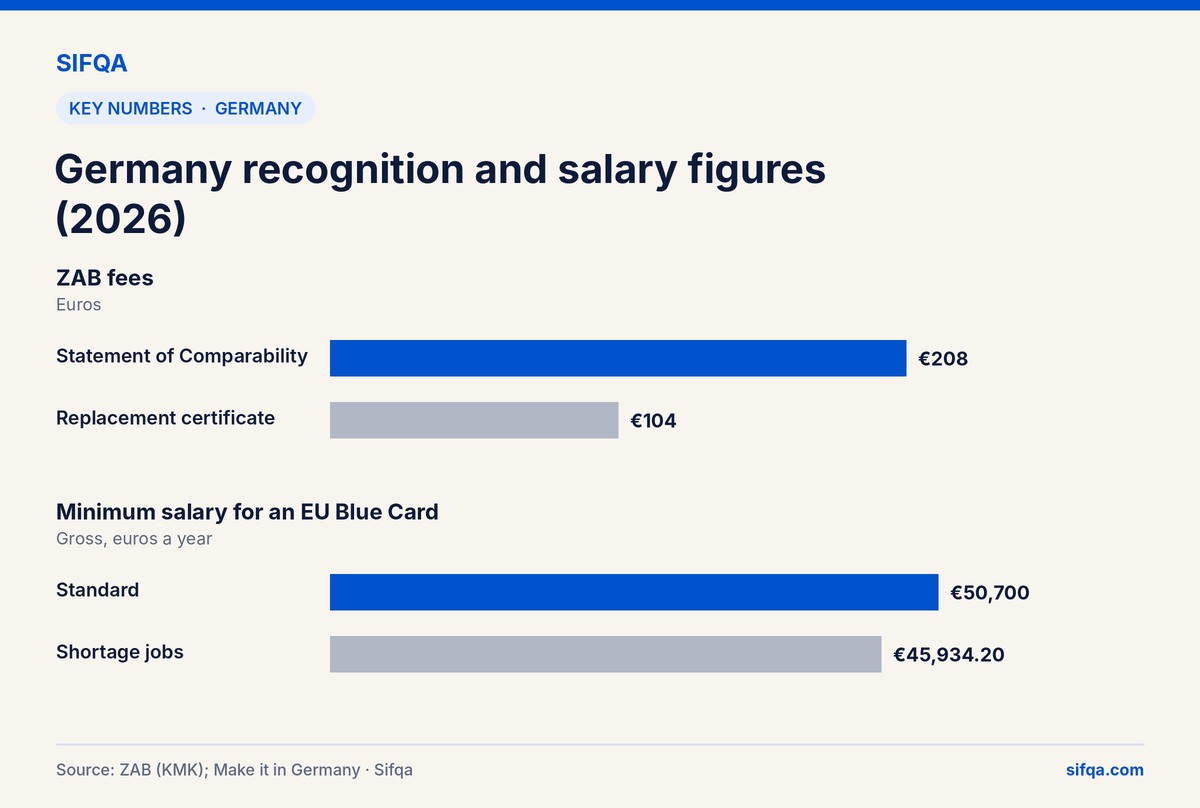
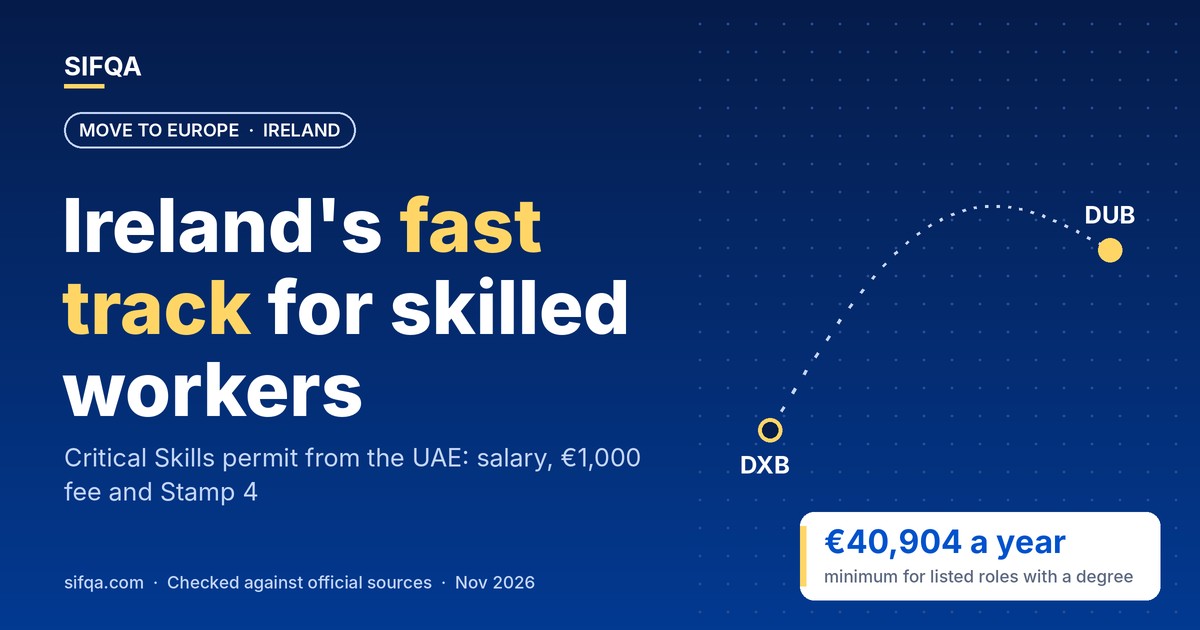
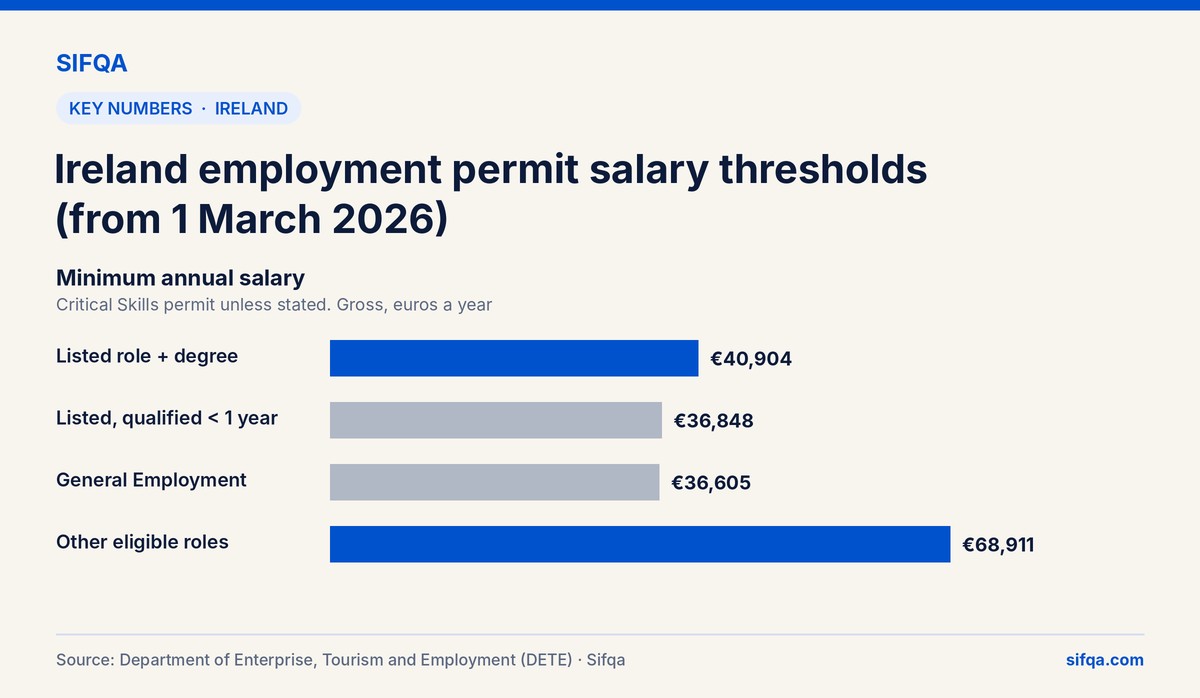
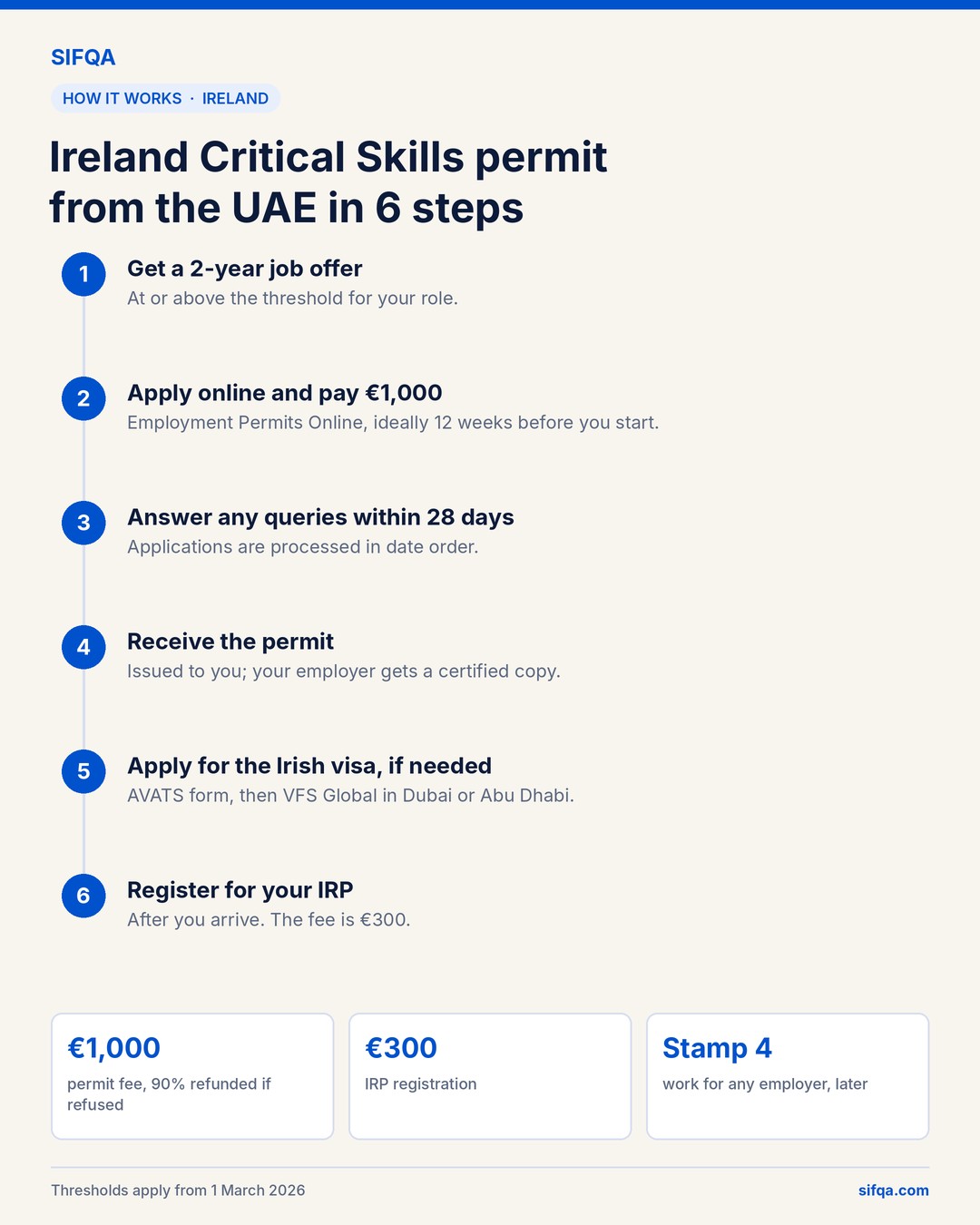
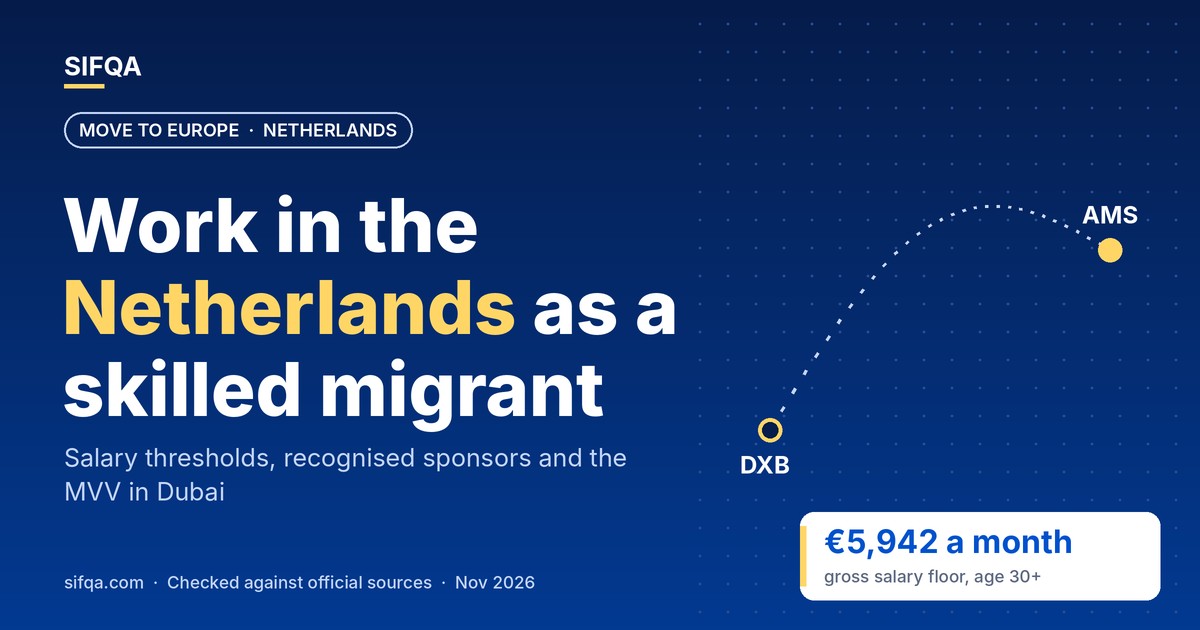
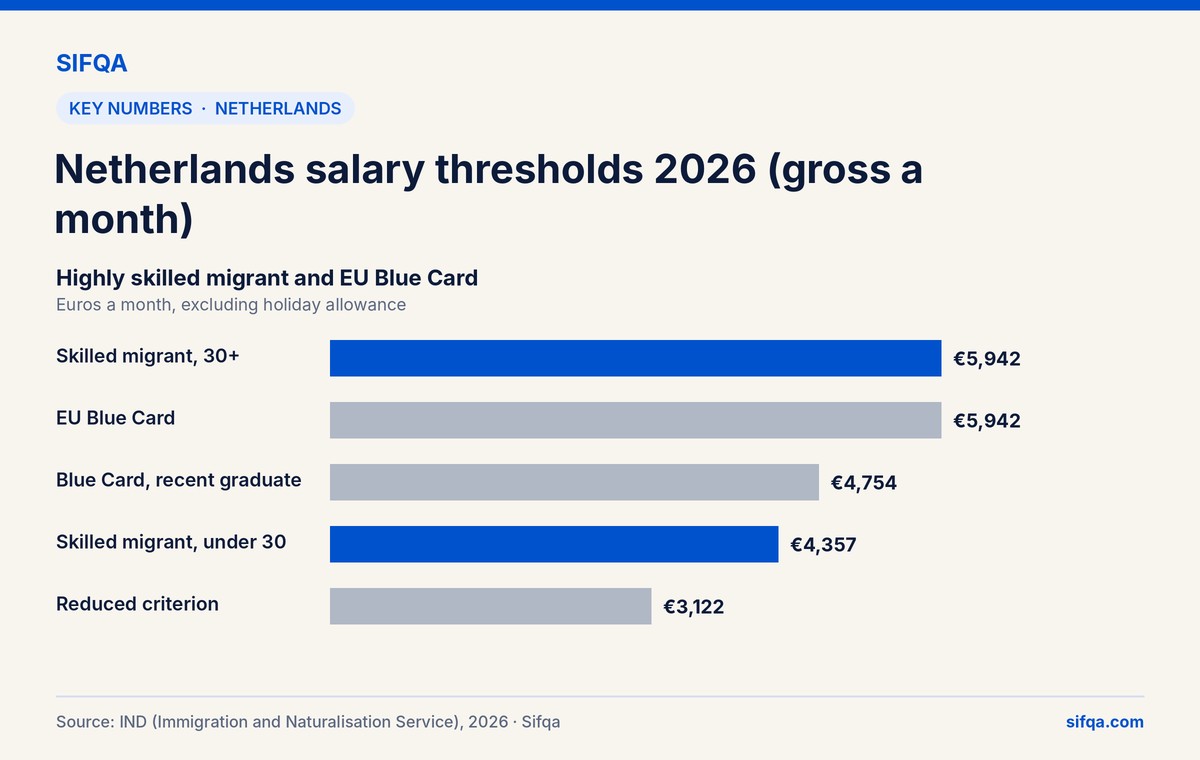
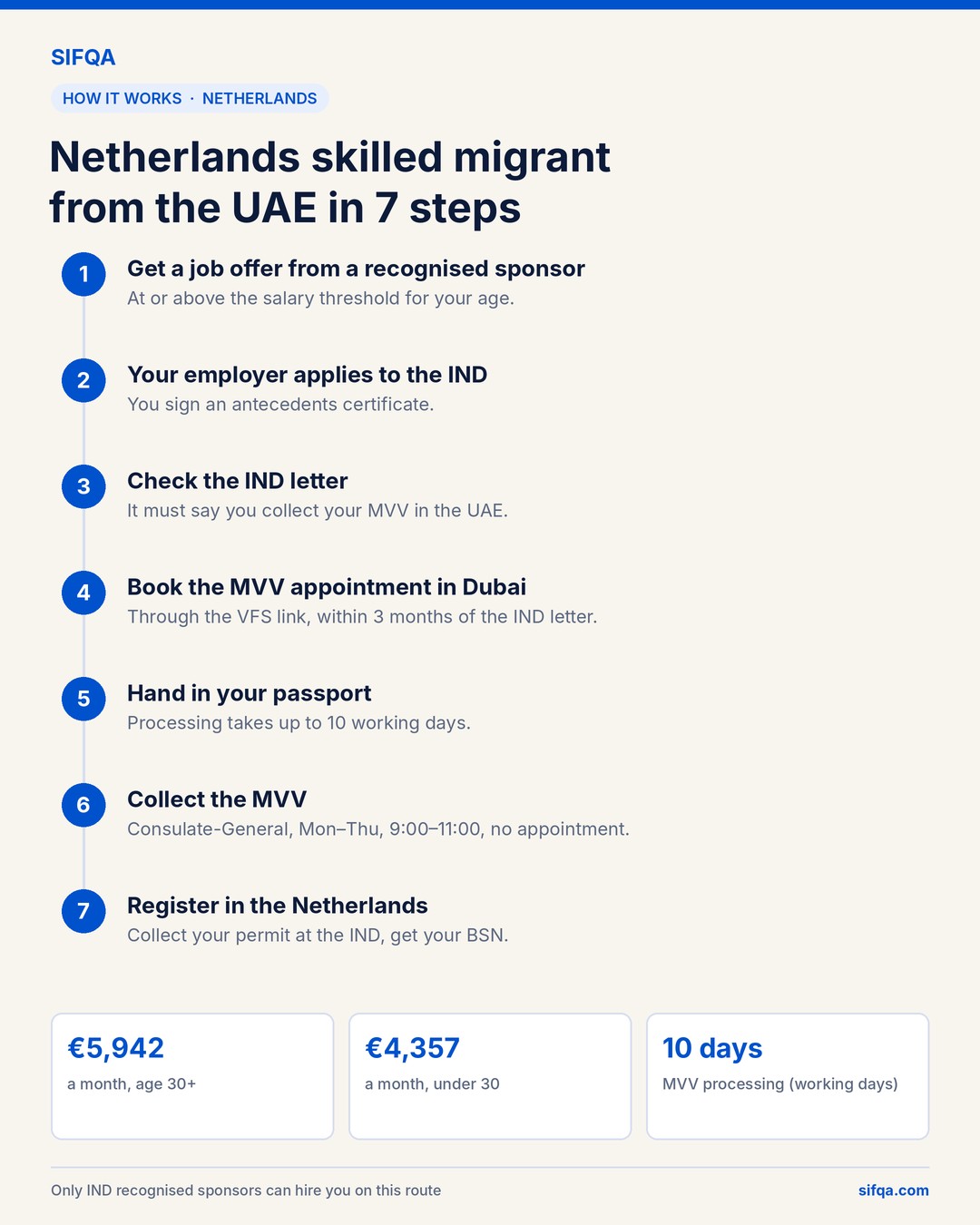
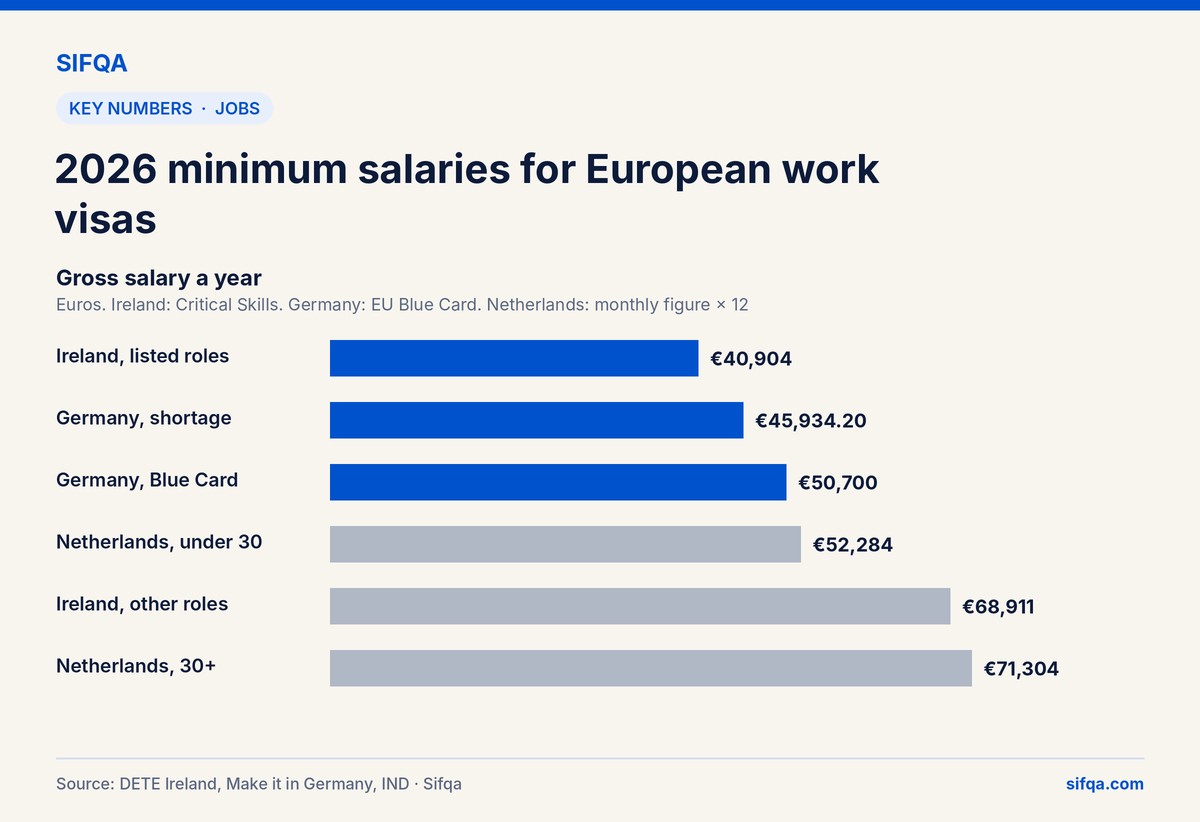
Checked on 4 November 2026. A job offer only matters if it clears the visa rules. 2026 salary minimums are €50,700 a year for a German EU Blue Card (€45,934.20 for shortage jobs), €5,942 a month for a Dutch highly skilled migrant aged 30+, and €40,904 a year for an Irish Critical Skills permit.
Where to search for European jobs from Dubai
| Source | What it is | Best for |
|---|---|---|
| EURES (eures.europa.eu) | The EU’s official job mobility portal, with vacancies from public employment services across Europe | Browsing demand by country and job |
| Make it in Germany | The German government’s portal for international workers, with job listings and visa guidance | Germany, including employers open to hiring from abroad |
| Federal Employment Agency job board (Jobbörse) | Germany’s largest public job database | Shortage jobs: IT, engineering, health, trades |
| IND recognised sponsor register | The public list of Dutch employers allowed to sponsor highly skilled migrants | Netherlands: apply only to companies on this list |
| Critical Skills Occupations List (Ireland) | Jobs Ireland treats as in short supply | Ireland: choose roles on the list |
| LinkedIn and company career sites | Direct applications to international companies | Multinationals with UAE and EU offices |
| Internal transfer | Moving within your current employer | People at multinationals in Dubai or Abu Dhabi |
Anyone can browse EURES vacancies, but some EURES services are aimed mainly at EU and EEA citizens. Treat it as a market map, then apply directly to employers.
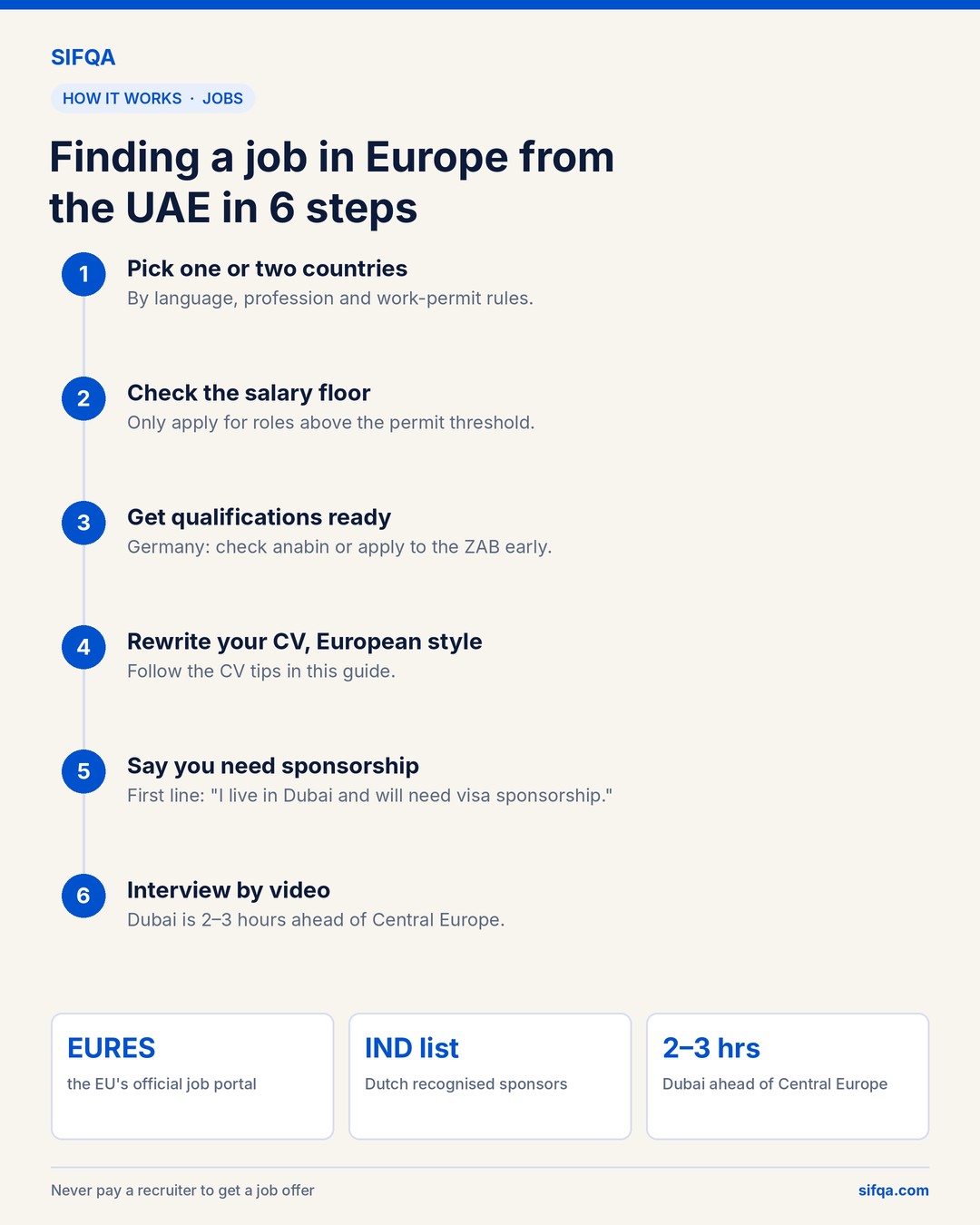
A 6-step plan for your job search
- Pick one or two countries based on language, your profession and the work-permit rules. Germany, the Netherlands and Ireland suit English-speaking professionals best. See routes compared.
- Check the salary floor. Search only for roles that pay above the work-permit threshold.
- Get your qualifications ready. For Germany, check your degree on anabin or apply to the ZAB early. See degree recognition for Germany.
- Rewrite your CV in the European style (see below).
- Apply directly and say clearly in the first line: “I live in Dubai and will need visa sponsorship.” Recruiters filter on this.
- Interview by video. Dubai is 3 hours ahead of Central Europe in winter and 2 hours ahead in summer. Offer slots in the late afternoon UAE time.
How to write a European-style CV
- Keep it to 2 pages, and make it achievement-led: what you improved, with numbers.
- Leave out personal details usually shown on Gulf CVs, such as religion, marital status and passport number. In the Netherlands and Ireland, leave out the photo and date of birth too. A professional photo is still common in Germany.
- State your work-permit situation: “Non-EU national, UAE resident, requires sponsorship. Available with 1–3 months’ notice.”
- Translate UAE job titles into common European terms, and explain local employers in a few words (sector, size).
- Show language levels using the CEFR scale (A1–C2). The free Europass CV builder uses it.
Comparing a UAE salary with a European salary
European salaries are quoted gross, before income tax and social security. UAE salaries are tax-free and often include housing and transport allowances. To compare them:
- Use the country’s official or bank net-salary calculator to estimate take-home pay.
- Add what the employer covers in Europe: health insurance, pension, paid leave (often 25–30 days) and parental leave.
- Subtract rent. Housing is rarely paid for by the employer in Europe.
- Ask about relocation support: flights, temporary housing, and, in the Netherlands, the 30% (from 2027, 27%) tax ruling.
How to spot European job scams targeting the UAE
- Paying for a job is the biggest warning sign. Agents in Dubai who charge thousands of dirhams for a “European work visa” or a “guaranteed job in Poland, Lithuania or Malta” are a common trap.
- Offer letters with no interview, sent from free email addresses or with spelling errors, are often fake.
- “Schengen work visa in 2 weeks” does not exist. A Schengen visit visa does not allow work.
- Verify the employer. Check the Dutch IND register, the company’s official website and the national company register, and phone the company’s main number yourself.
- Government fees go to the government or its official visa centre (VFS Global, BLS International, TLScontact), never to a personal account.
No offer yet? Ways to search from inside Europe
- Germany’s Opportunity Card lets skilled workers live in Germany for up to a year while looking for work. See Opportunity Card from the UAE.
- A master’s degree in Europe gives graduates time to find work after study, for example 18 months in Germany. See study in Europe from the UAE.
Questions people ask
Can I get a job in Europe while living in Dubai?
Yes. Most international hiring in Germany, the Netherlands and Ireland is done by video interview. The employer then supports your work-permit application from the UAE.
Which European country hires the most foreign workers from the UAE?
Germany has the largest shortage-job market. For English-only professionals, the Netherlands and Ireland are easier.
How do I know if a Dutch company can sponsor me?
Check the IND’s public register of recognised sponsors. If the company is not listed, it cannot sponsor a highly skilled migrant permit.
Should I pay an agent for a European job?
No. Genuine employers and licensed recruiters are paid by the employer. Paying for a job offer is the most common sign of a scam.
Do I need to speak the local language?
Not for many tech, engineering and finance roles in Germany, the Netherlands and Ireland. Healthcare and customer-facing jobs usually need it.
Related guides
- Netherlands Highly Skilled Migrant visa from the UAE
- Ireland Critical Skills Employment Permit from the UAE
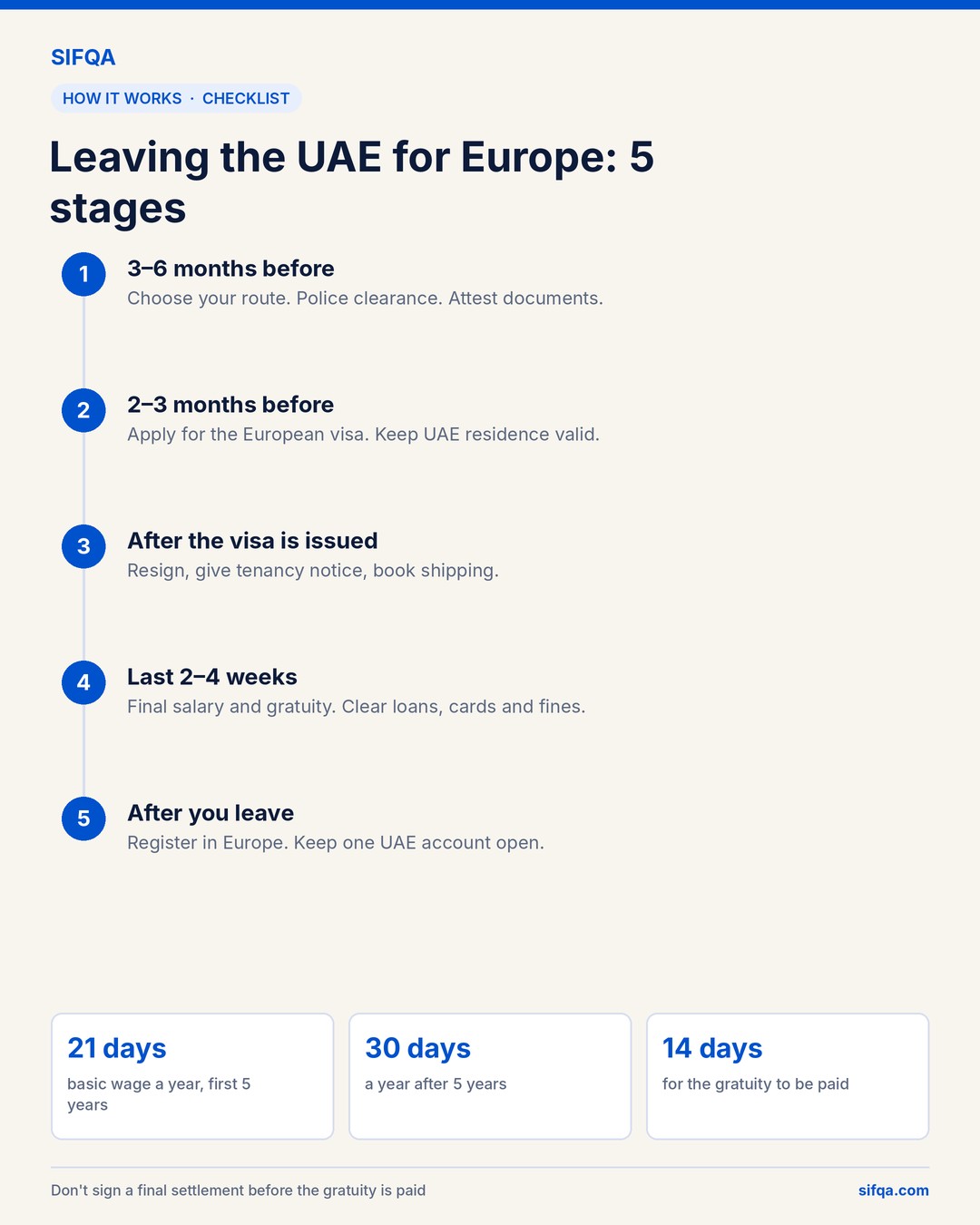
- Leaving the UAE for Europe: checklist
Sources
- European Commission: What EURES can do for you
- IND: Public register of recognised sponsors
- Department of Enterprise (Ireland): Critical Skills Employment Permit
- Make it in Germany: Official portal for skilled workers
Written by Asad Waleed M, Dubai. Asad has lived in the UAE for nine years and researches visa rules from government sources. He is not an immigration lawyer or consultant, and Sifqa does not process applications or sell visa services. Read the editorial policy.
Last checked 4 November 2026. Found an error? Email ionicwaleed@gmail.com and it will be fixed and logged.